Luxury is no longer measured simply by the size of a hotel room, the number of swimming pools, or the grandeur of a lobby.
Some hotels offer far more than a comfortable bed, impeccable service, or a Michelin-starred restaurant. They create experiences that stay with you for a lifetime. This is the philosophy behind Relais & Châteaux, an international association bringing together exceptional hotels and restaurants around the world, where luxury is inseparable from local culture, gastronomy, and the art of hospitality.
For travelers seeking authentic experiences, the character of a place, the personality of its hosts, the quality of its cuisine, and the feeling of discovering a destination at its best matter more than standardized luxury. These are the values at the heart of Relais & Châteaux, one of the world’s most distinguished communities of independent hotels and restaurants.
The association was founded in France in 1954 by Marcel and Nelly Tilloy, owners of the La Cardinale hotel and restaurant. They joined forces with other hoteliers to preserve the tradition of hospitality and encourage travelers to discover lesser-known destinations. The original organization, known as Les Relais de Campagne, brought together eight properties along the route between Paris and Nice. From that modest beginning, an international network emerged, now encompassing approximately 580 hotels and restaurants in 65 countries.
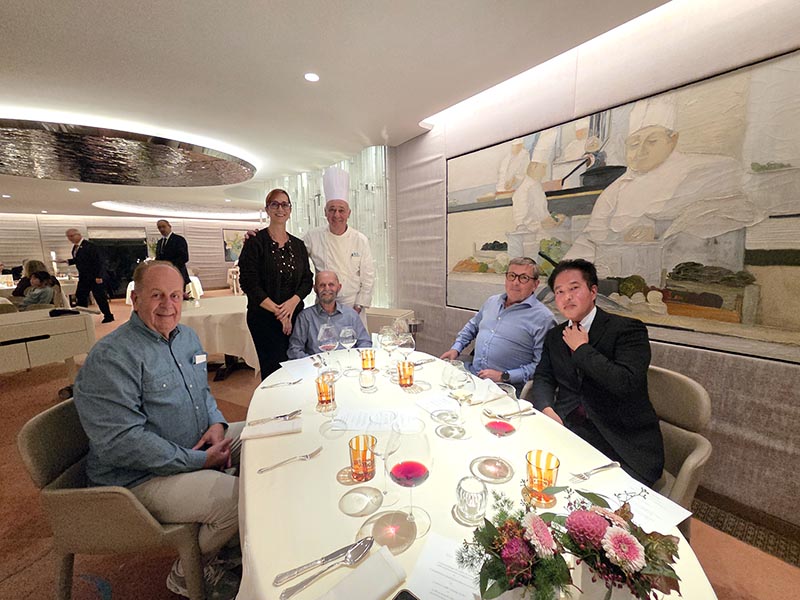
Luxury You Can Taste
My own experience with Relais & Châteaux was shaped in particular by stays at three exceptional properties in France’s Alsace region. What connects them is not merely luxurious surroundings or the prestige of Michelin stars, but the feeling that gastronomy here represents far more than preparing and serving food.
Hotels Where Hospitality Is Part of the Experience
Staying at Relais & Châteaux properties reveals another dimension of the association: every hotel has its own personality, and luxury is never forced upon the guest. Instead, it is felt in the details.
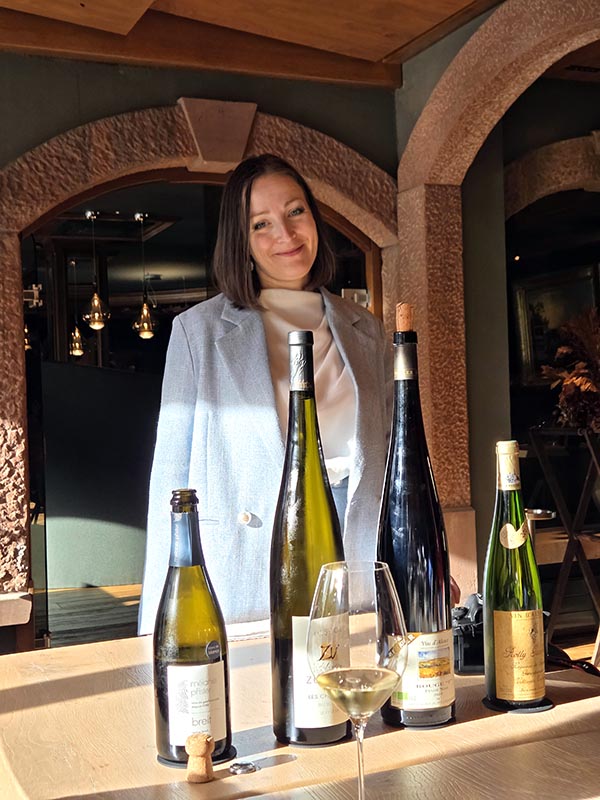
Relais & Châteaux invited me to visit its hotels and restaurants alongside fellow travel professionals from Australia, Japan, Italy, and Estonia. It was an unforgettable journey of exceptional hospitality, outstanding food, and carefully selected wines. We tasted or enjoyed somewhere between 20 and 30 wines a day, either during tastings or paired with our meals. Somehow, we managed to do full justice to both the food and the wine!
La Cheneaudière & Spa
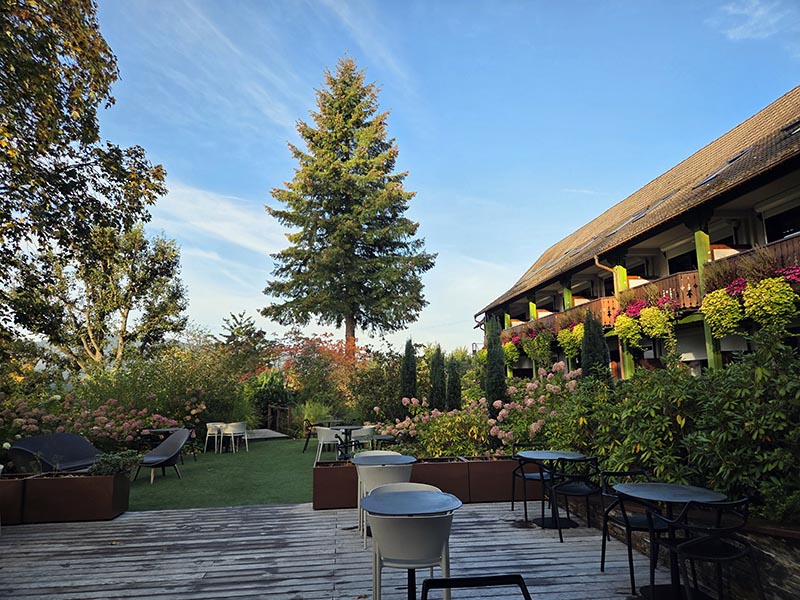
Nestled in the green mountains of the Vosges, between Strasbourg and Colmar, La Cheneaudière & Spa is a five-star family-owned hotel particularly appealing to guests seeking a combination of gastronomy, nature, and wellness.
Its spacious Nature-Spa, covering approximately 2,500 square meters, features swimming pools, saunas, hammams, and a range of relaxation facilities. A stay here is designed as an escape from everyday life, where the tranquility of the surrounding landscape flows naturally into the experience at the table.
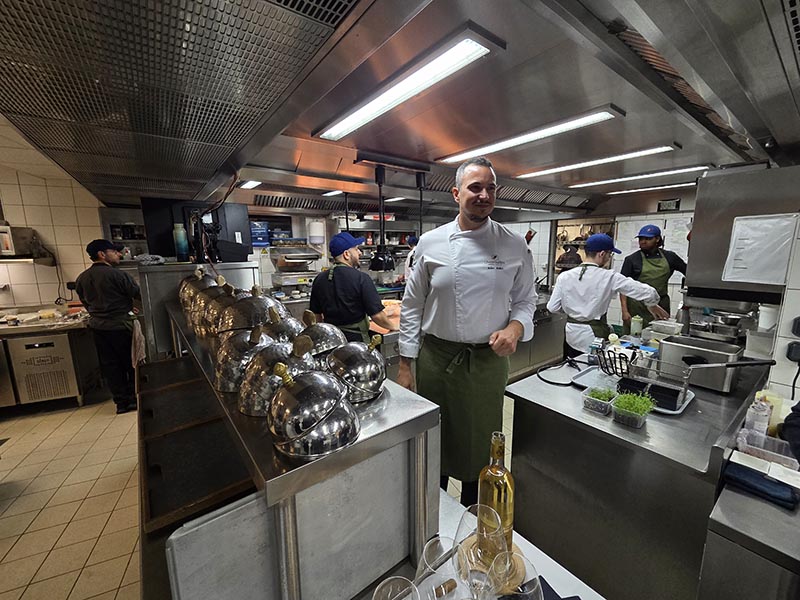
At Le Feuillage, the hotel’s restaurant, chef Jean-Paul Acker leads a kitchen built around creativity, seasonal ingredients, and the flavors of the surrounding region. The restaurant was awarded one Michelin star in the 2026 Michelin Guide.
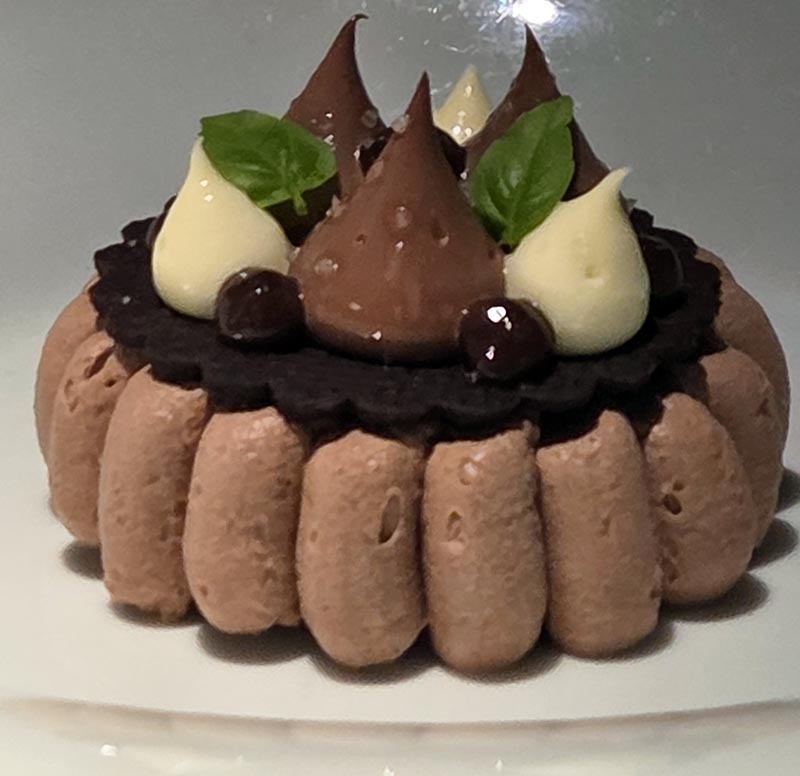
The presentation of the dishes was particularly impressive. Each plate seemed like a work of art, carefully composed down to the smallest detail. The experience demonstrated how visual creativity and culinary precision can transform a meal into something truly memorable.
Le Chambard
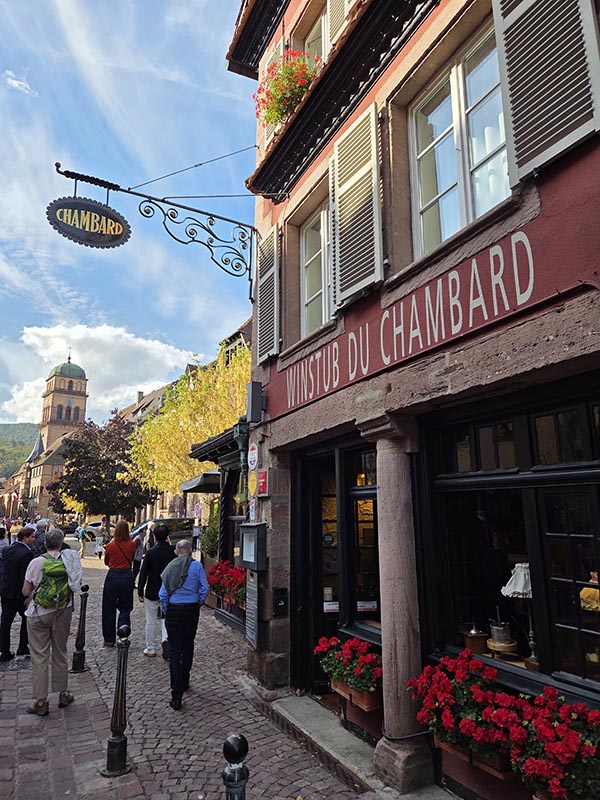
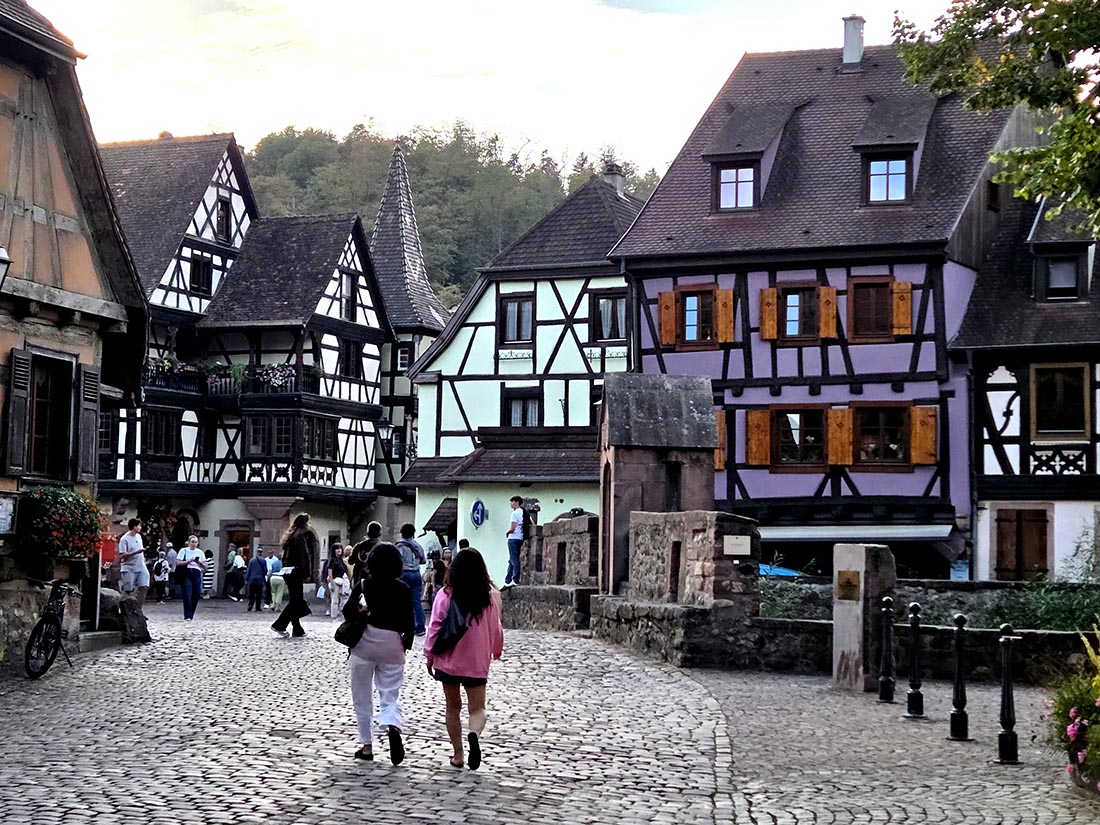
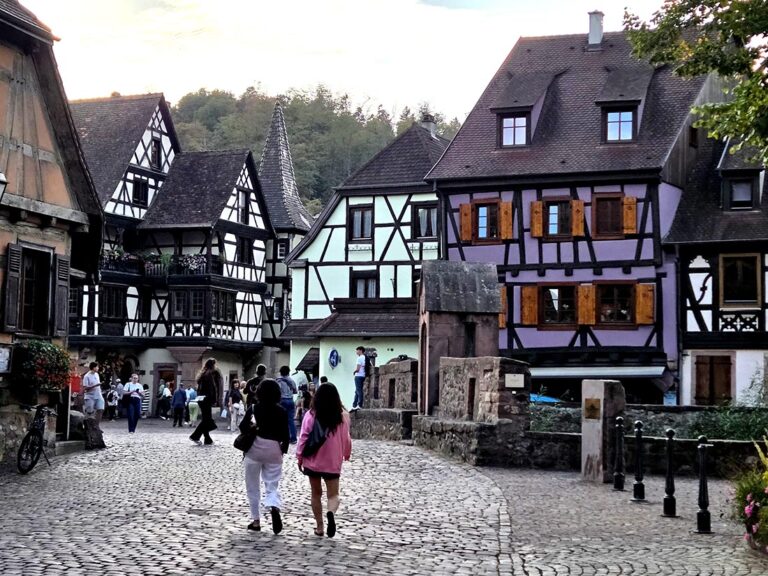
A very different atmosphere awaits at Le Chambard, located in the historic heart of Kaysersberg, one of Alsace’s most beautiful villages.
The five-star hotel occupies a historic building, combining elegant contemporary interiors with the warm hospitality of the Nasti family. Everything here reflects the local way of life, from views of the surrounding vineyards and rolling hills to traditional Alsatian cuisine at La Winstub and the sophisticated gastronomy created by chef Olivier Nasti.
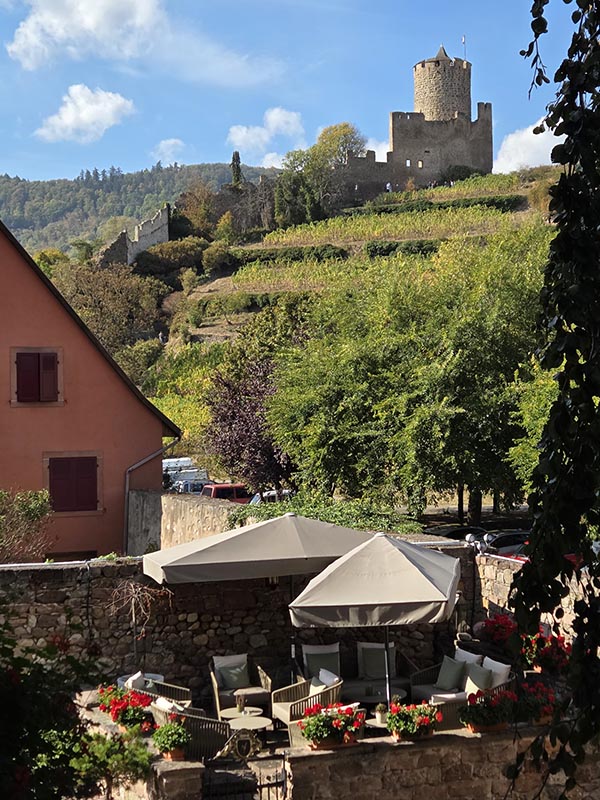
At lunch in La Winstub, we enjoyed excellent sausages, cured meats, cabbage, and potatoes. It was the kind of hearty meal one might associate with the middle of winter, although our hosts explained that Alsatians enjoy these traditional dishes throughout the year.
The hotel itself is an ideal base for exploring Alsace’s famous Wine Route, but it is also a destination in its own right, deserving several days of your time. The spa, comfortable rooms, vineyard views, and thoughtful little touches make a stay especially pleasant. Located in the pedestrian zone, Le Chambard also puts the village’s attractions within easy walking distance.
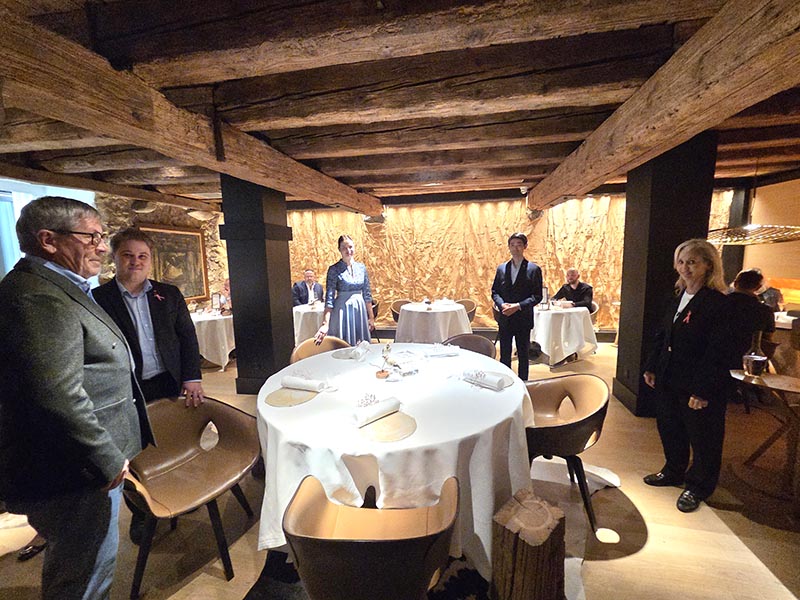
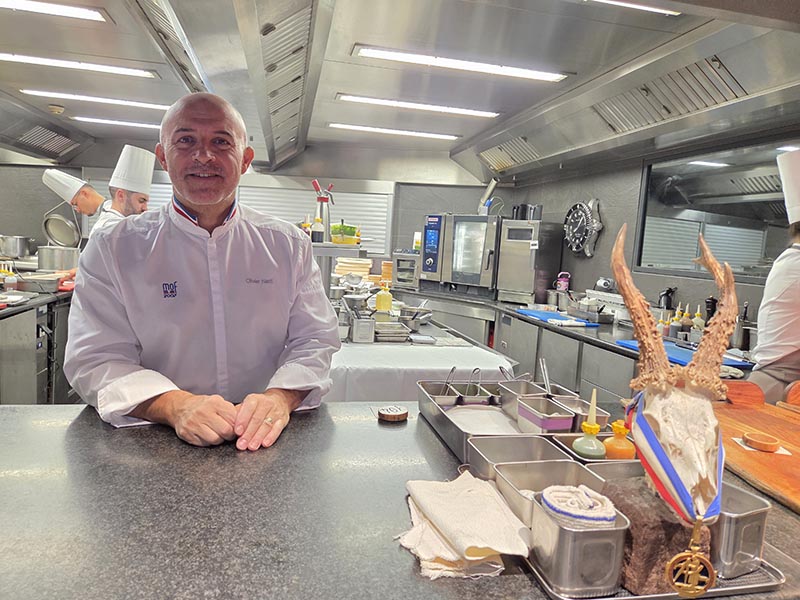
The property’s gastronomic highlight is La Table d’Olivier Nasti, a restaurant awarded two Michelin stars. Olivier Nasti is one of France’s most celebrated chefs and holds the prestigious title of Meilleur Ouvrier de France, awarded in recognition of exceptional craftsmanship.
His cuisine combines contemporary creativity, technical precision, and a profound connection with nature and Alsatian culinary heritage.
One dish that particularly impressed us was pike-perch fillet cooked under hot beeswax for eight minutes. It was an unusual technique that turned a familiar freshwater fish into a memorable culinary experience.
Hôtel des Berges & Spa
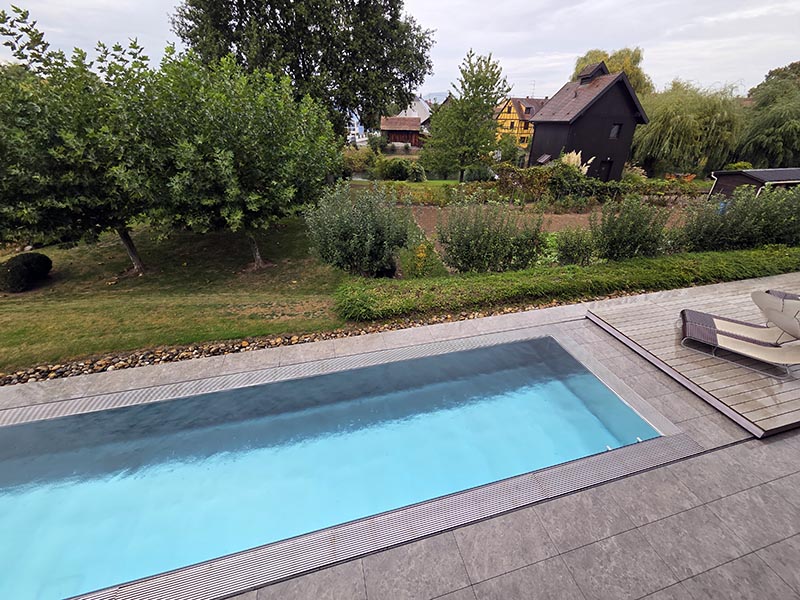
Our Alsatian gastronomic journey concluded at Auberge de l’Ill, one of the great names in French cuisine, with an overnight stay at Hôtel des Berges & Spa.
Located in the peaceful Alsatian village of Illhaeusern, the five-star hotel offers an intimate atmosphere and understated elegance, far removed from the bustle of major tourist centers.
The individually designed rooms and suites, landscaped gardens, outdoor swimming pool, and Spa des Saules wellness center invite guests to slow down and unwind. The nearby River Ill adds another layer of charm, its tranquil surroundings perfectly complementing the character of this family-owned property.
The hotel’s most celebrated attraction is Auberge de l’Ill, the legendary restaurant run by the Haeberlin family. Set beside the river, it has spent decades preserving and evolving the traditions of French haute cuisine.
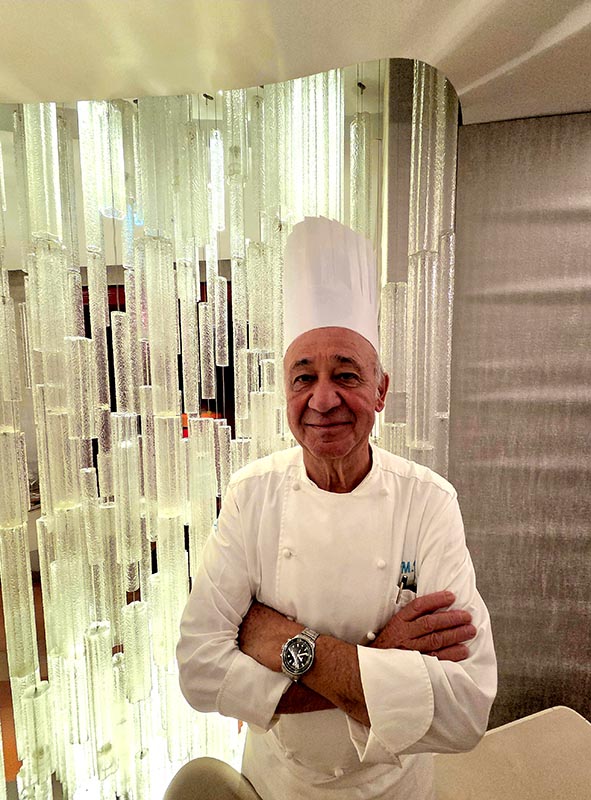
Chef Marc Haeberlin continues the family’s culinary legacy, combining classic dishes with contemporary interpretations. The restaurant currently holds two Michelin stars, and its reputation has been built over generations.
Photographs of royalty, celebrities, and sports stars who have dined here adorn the walls near the entrance, offering a glimpse into the restaurant’s remarkable history.
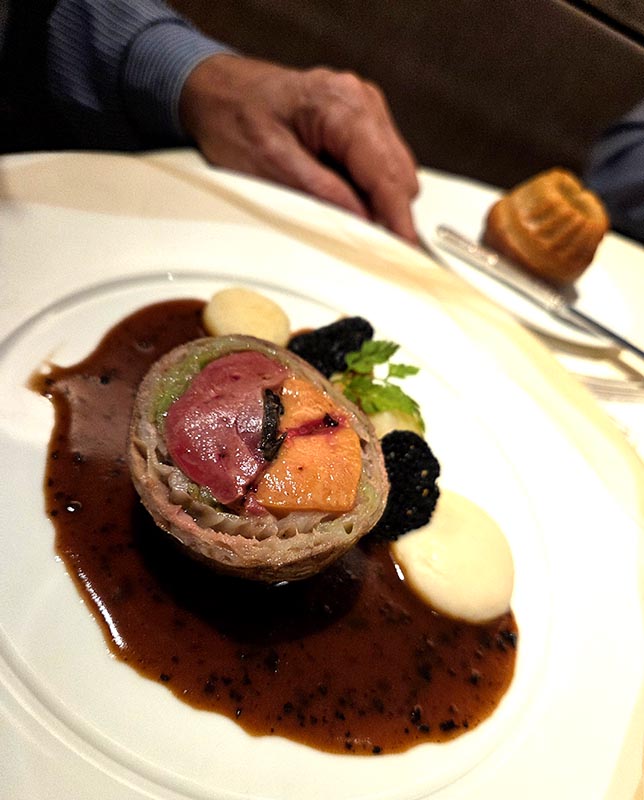
One of our main courses featured pigeon breast wrapped in foie gras. It was just one highlight of a remarkable meal consisting of around ten dishes, accompanied by a similar number of Alsace’s finest wines. Describing every course would be difficult; the best way to understand the experience is to imagine a succession of carefully crafted dishes, each with its own story, flavor, and perfectly chosen wine.
Three Exceptional Dinners at Michelin-Starred Restaurants
For me, these three dinners captured the essence of what makes Relais & Châteaux so special. Each restaurant has its own identity, yet all three demonstrate how exceptional cuisine can express local character, tradition, and the personality of its chef.
The ingredients are often sourced from the surrounding region, supported by a network of high-quality local producers and suppliers. As chef Olivier Nasti told us, good sourcing is an essential part of a restaurant’s success.
When a tasting menu costs approximately €300 to €500 per person, with an additional €200 to €300 for wine pairings, expectations are naturally high. Guests expect the finest ingredients, impeccable freshness, and a clear understanding of where the food comes from. The relationships between chefs and their suppliers are therefore crucial.
We met a fisherman who supplies Olivier Nasti with fresh catches from Lake Geneva. His fish is delivered directly to the kitchen, allowing the chef to work with exceptionally fresh local produce. This close connection between the kitchen and its suppliers is an important part of the philosophy behind this level of gastronomy.
Another detail that made the experience special was the precision of the service. Dinner began at the same time for everyone, and all guests were served the same tasting menu unless alternative arrangements had been made in advance.
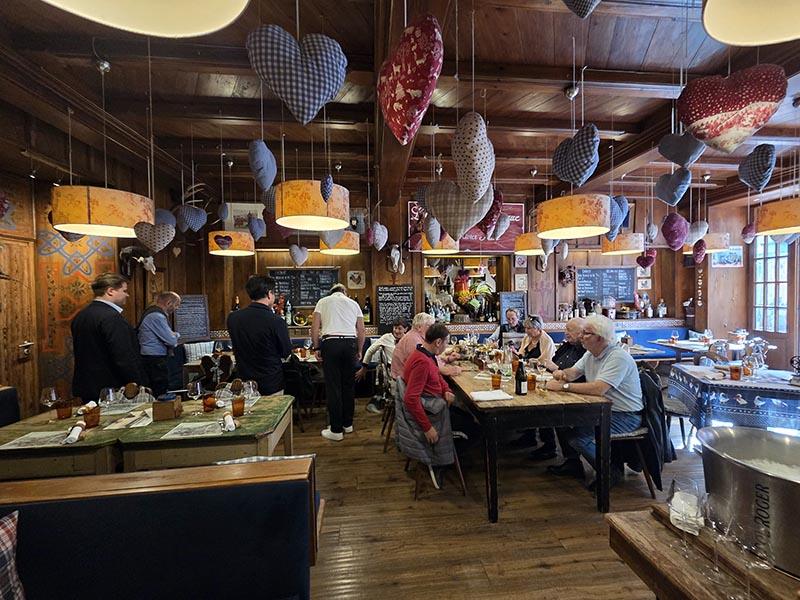
At our table of five, every course arrived simultaneously for all of us. The timing, coordination, and attention of the waitstaff and sommeliers were extraordinary. Michelin-starred dining is about much more than the food itself: the atmosphere, tableware, presentation, and quality of service all contribute to the overall experience.
We estimated that our daily spending on accommodation, food, and wine during the trip reached as much as €2,000. It was certainly an exceptional experience, and one for which I am grateful to Relais & Châteaux. I would gladly do it all again.
Relais & Châteaux in Croatia
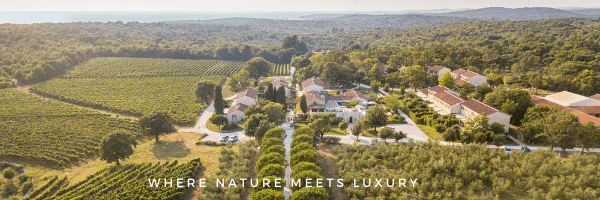
Relais & Châteaux also seeks to connect high standards of hospitality with a more responsible approach to the environment and local communities. The association promotes biodiversity, cultural heritage, and traditional food production.
In 2014, it presented its commitments to preserving the world’s cultural and gastronomic diversity to UNESCO, reinforcing its vision of creating a better world through hospitality and gastronomy.
This approach to luxury tourism goes beyond exclusivity. The aim is to help guests understand the places they visit, support local communities, and experience the authentic character of each destination.
Croatia, too, has properties associated with the Relais & Châteaux philosophy, offering travelers opportunities to discover the country’s landscapes, gastronomy, and cultural heritage through distinctive hospitality.
Croatian properties cited in connection with the association are Lešić Dimitri Palace on Korčula, Meneghetti Wine Hotel & Winery in Istria, Maslina Resort on Hvar, Villa Korta Katarina & Winery in Orebić, and Hotel Katarina on the Pelješac Peninsula. Membership status and seasonal operating arrangements should be verified before planning a visit.
Relais & Châteaux is therefore much more than a collection of exceptional hotels and restaurants. It is an invitation to travel differently, discover the people behind the places, and appreciate the traditions, ingredients, and stories that make each destination unique.
Ultimately, the greatest luxury is not simply what is served on the plate or offered in a hotel room. It is the experience as a whole: the people you meet, the flavors you remember, and the feeling that you have discovered something genuinely special.
Where to Escape the Fall and Winter: The Best Destinations for Sun and Swimming, Month by Month