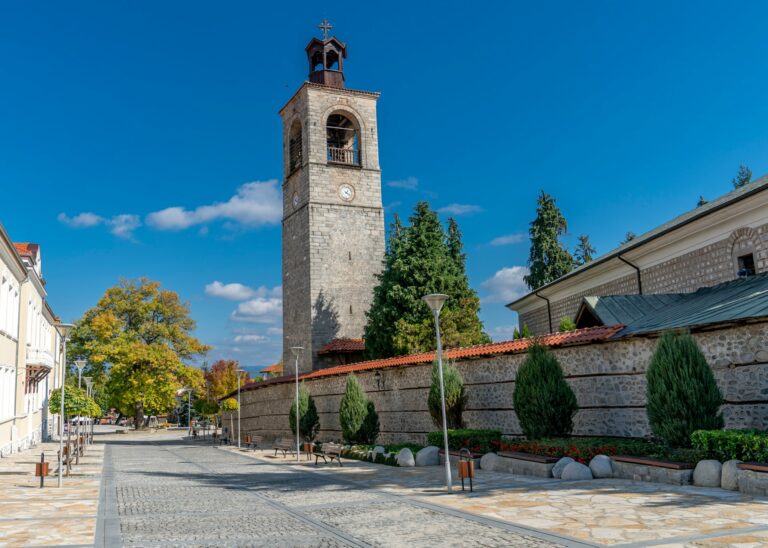
Bansko: Bulgaria’s Mountain Paradise Offers Much More Than Skiing
More and more European travelers are discovering the charms of Bansko, a destination that combines unspoiled nature, wellness experiences, and affordable prices. From the peaks of the Pirin Mountains to the thermal pools of nearby Banya, it’s easy to find the perfect balance between adventure and relaxation.
When most people hear the name Bansko, they immediately think of snow-covered slopes, ski lifts, and winter vacations. Yet in recent years, this famous Bulgarian mountain resort has been attracting a growing number of visitors during the summer months as well.
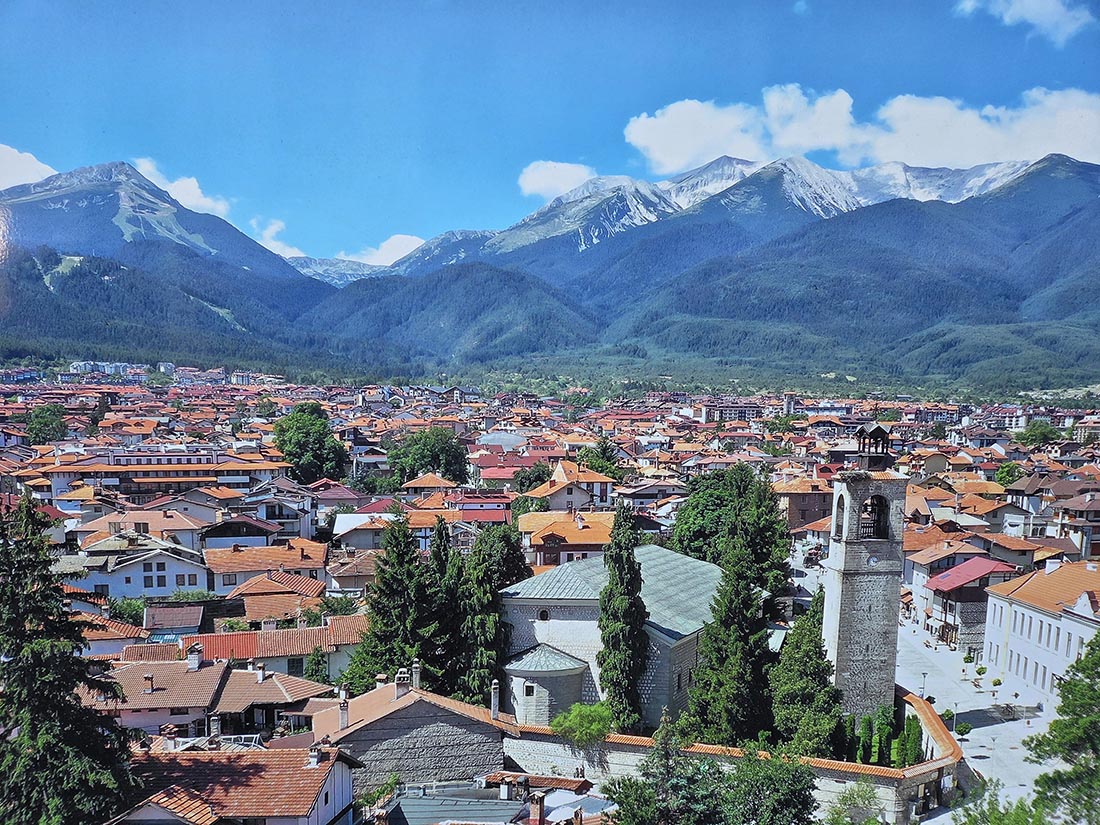
Nestled at the foot of the spectacular Pirin Mountains, Bansko offers a unique mix of outdoor activities, excellent food, breathtaking scenery, and rejuvenating thermal spas. For travelers looking to escape the summer heat and enjoy fresh mountain air, Bansko is emerging as one of Southeastern Europe’s most appealing destinations.
Located about 150 kilometers (93 miles) south of Sofia, the resort is easily accessible thanks to a modern highway that covers most of the journey.
Pirin Mountain: A UNESCO-Protected Natural Wonder
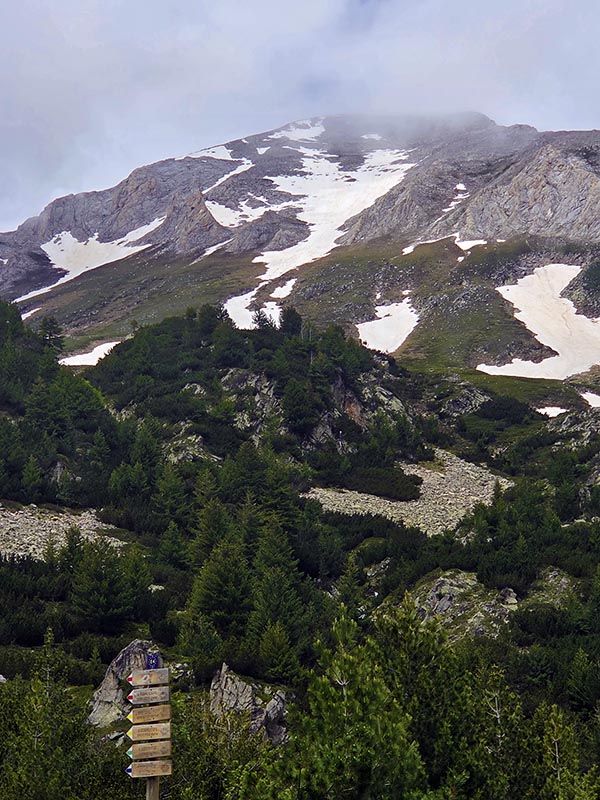
The biggest summer attraction in Bansko is undoubtedly the Pirin Mountains, whose national park is recognized as a UNESCO World Heritage Site. During the warmer months, ski slopes transform into a network of hiking and biking trails that wind through dense pine forests, alpine lakes, and dramatic mountain viewpoints.
The gondola lift from the center of town takes visitors high into the mountains, where numerous trails of varying difficulty begin. Popular excursions include the Banderitsa Lakes, Mount Vihren—the highest peak in the Pirin range at 2,914 meters (9,560 feet)—and countless glacial lakes that attract hikers and photographers throughout the summer season.
Adventure seekers can enjoy mountain biking, horseback riding, rock climbing, and ATV tours, while family picnics and leisurely nature walks remain among the most popular activities.
The Old Town and Authentic Bulgarian Charm
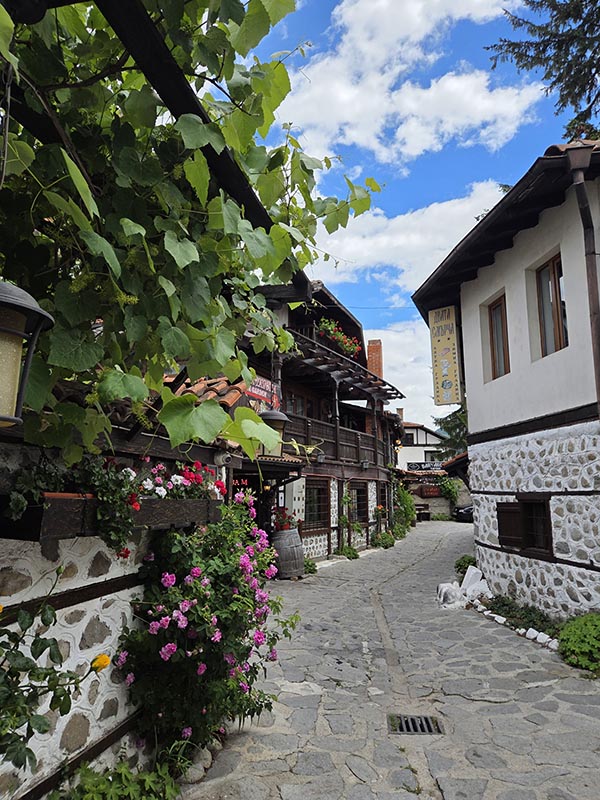
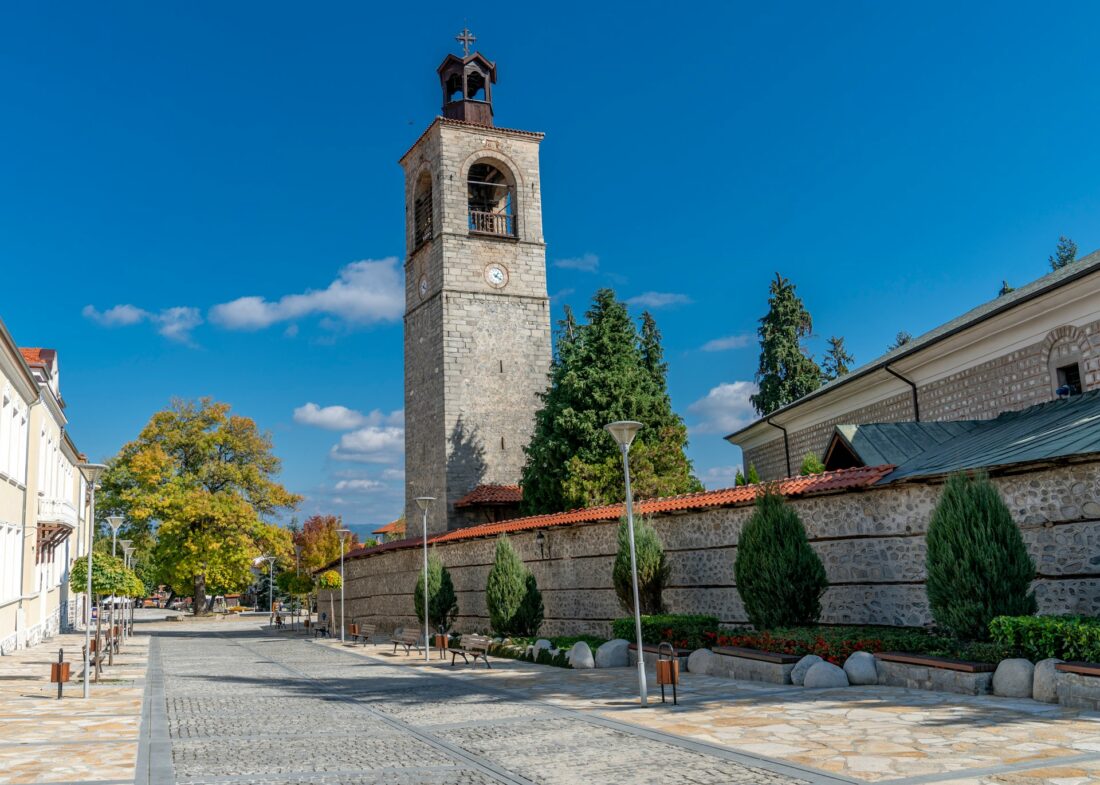
Unlike the modern hotel district, Bansko’s historic center has preserved the authentic character of a traditional Bulgarian mountain town. Stone houses, narrow cobblestone streets, and small churches reflect the region’s rich cultural heritage.
During our visit, we explored the Nikola Vaptsarov Museum, the Neofit Rilski Museum, and the beautifully preserved Velyanova House. We also enjoyed cups of traditional Bulgarian coffee at several outdoor cafés. Interestingly, what many visitors would call Turkish coffee should never be referred to that way in Bulgaria.
Walking through the Old Town reveals art galleries, craft workshops, and small stores selling local products. One of the highlights is the Holy Trinity Church, considered one of Bulgaria’s most notable Orthodox churches.
Summer also brings a lively calendar of cultural events and festivals. The most famous is the Bansko Jazz Festival, which attracts musicians and visitors from around the world every year.
Where and What to Eat
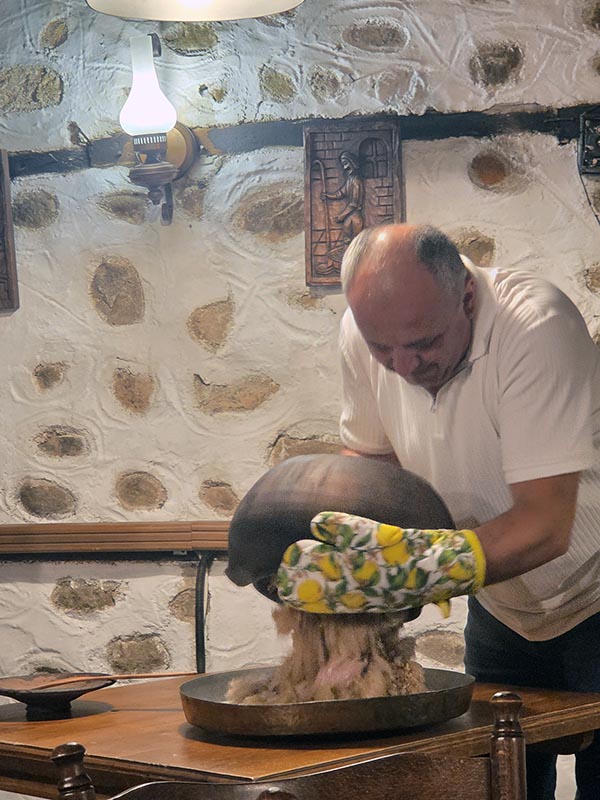
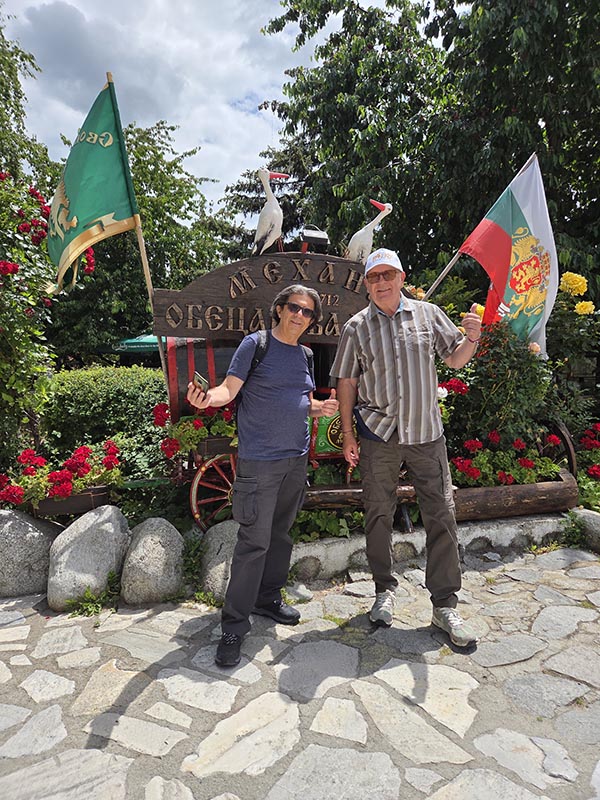
Bulgarian cuisine is one of the pleasant surprises awaiting visitors to Bansko. Traditional restaurants known as mehanas serve authentic regional specialties in rustic settings, often accompanied by live music and local wines.
Dishes worth trying include:
- Shopska Salad, Bulgaria’s iconic combination of tomatoes, cucumbers, peppers, and grated white cheese.
- Roasted seasonal vegetables, typically served before the main course.
- Kapama, a traditional specialty from the Bansko region made with several types of meat, sauerkraut, and aromatic spices, slow-cooked to perfection.
- Grilled meats and homemade sausages, often paired with wines from the nearby Struma Valley.
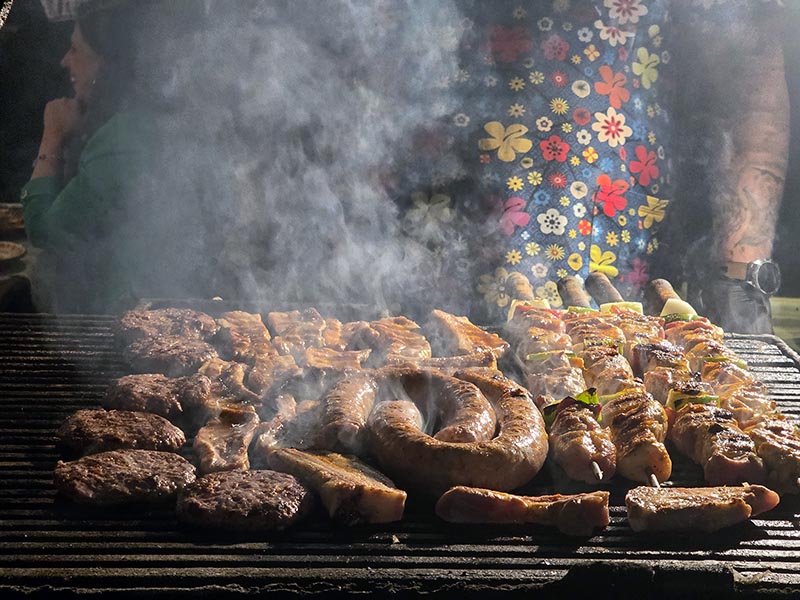
Dining remains significantly more affordable than in most Alpine destinations, allowing visitors to enjoy generous meals without stretching their budget.
Among the restaurants we visited and highly recommend are:
- Dedo Pene
- Obetsanova Mehana
- Cheverme
- Lovna Sreshta Tavern
- Metoha
Thermal Springs: The Region’s Hidden Gem
One of Bansko’s greatest summer advantages lies just a few miles away. The nearby village of Banya, only a ten-minute drive from town, is home to more than 70 natural thermal springs.
During our stay, we were based at the Grand Hotel Bansko, located along the main road into town. The breakfast buffet was outstanding—better than many we have experienced at far more expensive hotels around the world. One of the chefs prepared fresh cheese-filled banitsa every morning, a traditional Bulgarian pastry that quickly became a favorite.
The hotel features several outdoor pools, an extensive spa complex with indoor pools, and multiple saunas. Rated as a high-end four-star property, it offers an all-inclusive package with rates reflecting its quality, typically exceeding €200 per night.
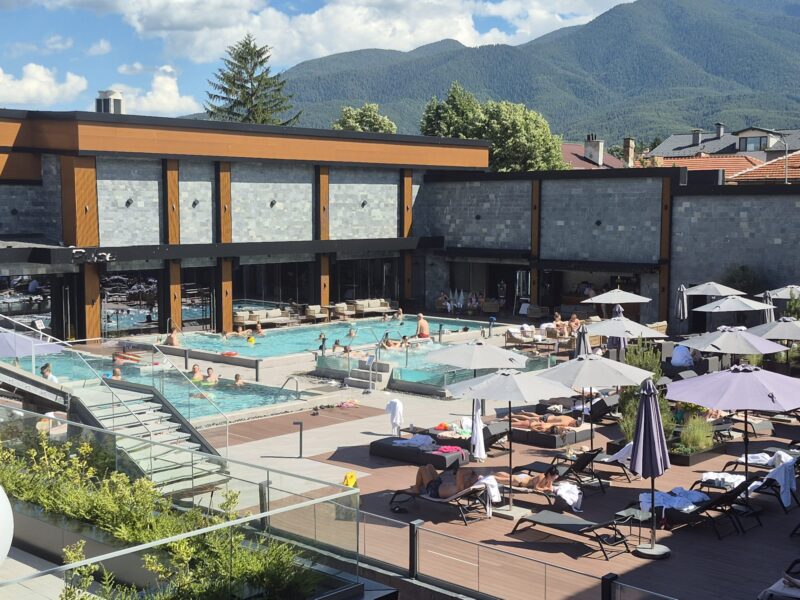
The thermal waters in the region range from 37°C to 58°C (99°F to 136°F) and are rich in minerals traditionally believed to help relieve muscle and joint discomfort while promoting relaxation.
In recent years, numerous modern spa resorts have opened around Banya, offering outdoor thermal pools with spectacular views of the Pirin Mountains. Soaking in warm mineral water while mountain peaks rise in the background is one of the most memorable experiences the region has to offer.
We visited the Grand Hotel Therme in Banya and were impressed by both the quality of the facilities and the extensive wellness offerings, including multiple thermal pools and spa treatments.
An Active Vacation Without the Crowds
Unlike winter, when Bansko is packed with skiers, summer brings a much more relaxed atmosphere. Visitors can enjoy nature at a slower pace, find fewer crowds in restaurants, and often benefit from lower accommodation rates.
The mountain climate, pleasant temperatures that rarely exceed 30°C (86°F), and the abundance of outdoor activities make Bansko an attractive alternative to traditional seaside vacations.
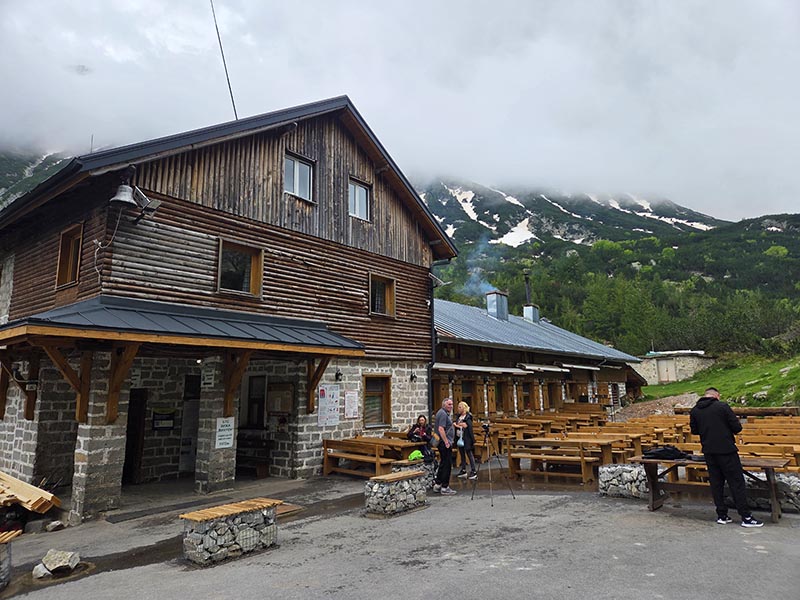
One particularly memorable excursion is a visit to Vihren Hut, located at an elevation of 1,970 meters (6,463 feet), where hikers can enjoy excellent grilled food before heading out on nearby trails.
Close to the hut stands Baykusheva Mura, a remarkable Black pine estimated to be more than 1,300 years old. Accessible via a short wooden walkway, it is considered one of the oldest trees in the Balkans.
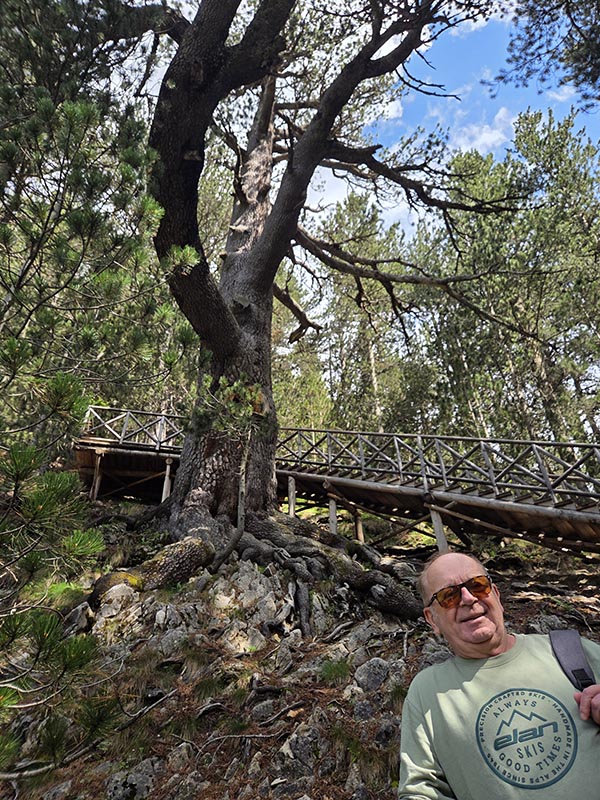
The views of the surrounding peaks, many reaching nearly 3,000 meters (9,800 feet), are simply spectacular. Even in the middle of summer, patches of snow can often be seen on the highest summits.
Bulgaria’s Mountains and Forests Deserve More Attention
Bansko has long outgrown its reputation as merely a winter ski destination. Today it successfully combines nature, sports, gastronomy, culture, and wellness into a year-round travel experience.
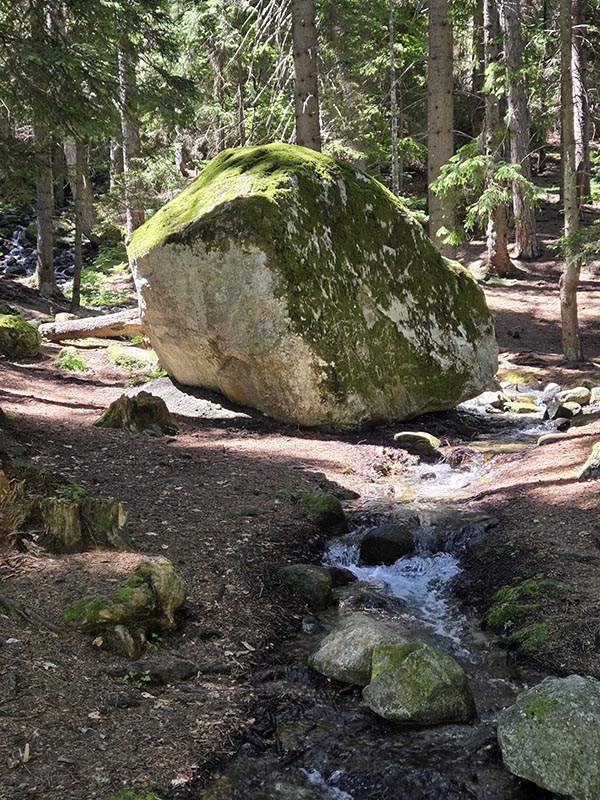
At the foot of the Pirin Mountains, visitors can spend their days hiking among rugged peaks, discovering traditional Bulgarian flavors, or relaxing in healing thermal waters. The resort welcomes around one million visitors annually, with an increasing number arriving outside the ski season.
For travelers seeking a different kind of summer getaway—far from crowded beaches and extreme heat—Bansko is one of the Balkans’ most pleasant surprises.
What truly stands out, however, is the warmth of the local people. Although not everyone speaks English, everyone we encountered was eager to help, answer questions, and make visitors feel welcome. That genuine hospitality may be one of the strongest reasons to put Bansko on your travel list.
Flower tourism is blooming: the best flower spots around the world revealed